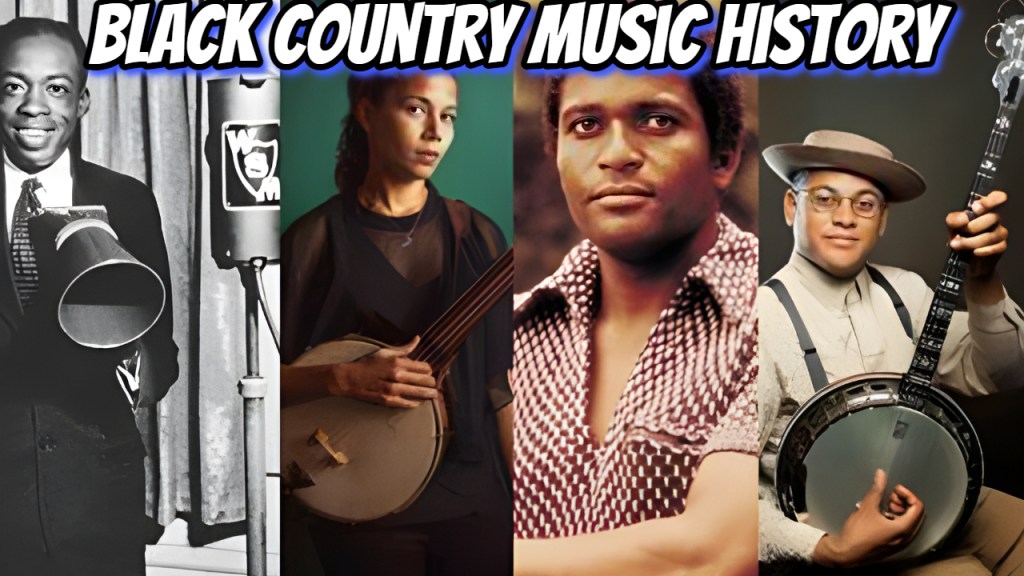
Hello, all my truth seekers. In this post, I will discuss the long history of country music. It’s time to tell the truth about this popular black music. However, when segregation was in effect, Caucasians quickly took over the genre. Let us talk.
The inspiring sounds of country music were honed and developed by men and women who were the children and grandchildren of slaves and sharecroppers. These sounds were then passed down to generations of Black descendants, who still care for and grow the legacy of these deep American sounds.
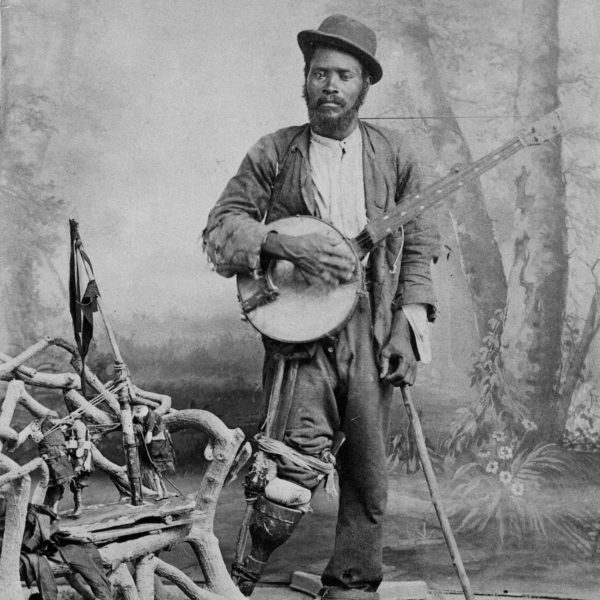
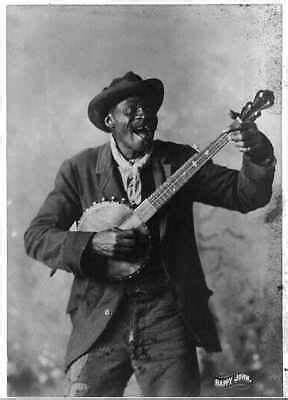
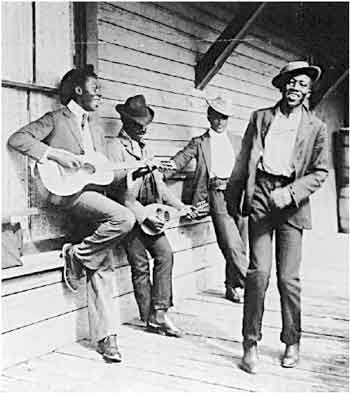
The Banjo is the critical instrument in Country Music…
With that said, my loves, let’s embark on a musical journey through time, where the twang of guitars meets the soulful rhythms of the banjo. Our story unfolds in the heart of America, where melodies echo across rolling hills and dusty trails.
**The Banjo’s Song**
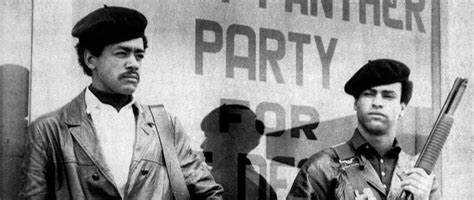
Once upon a time, a young musician named Elijah lived in the sun-kissed fields of the South. His fingers danced across the strings of a banjo, an instrument with a history as rich as the soil itself. The banjo wasn’t just wood and metal but a vessel for stories of joy, sorrow, and resilience.
Elijah’s ancestors carried the banjo across oceans, their calloused hands strumming melodies transcending time. They sang of freedom, even when chains bound their bodies. The banjo became their voice—a defiant whisper against oppression.
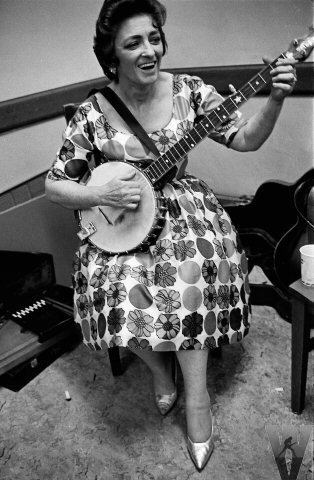
As the years passed, the banjo found its way into the hands of others. A sharecropper named Mary plucked its strings under the moonlight, her voice weaving tales of love lost and dreams unfulfilled. She sang of cotton fields and dusty roads, her banjo echoing the heartbeat of a nation.
But it wasn’t just Black musicians who embraced this instrument. The Carter Family, a trio of Appalachian pioneers, discovered the banjo’s magic. Maybelle Carter’s fingers danced across the frets, infusing their country tunes with a rhythm that defied boundaries. The banjo became a bridge—a testament to the interconnectedness of music.
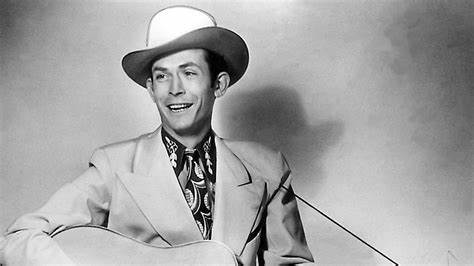
And then there was Hank Williams, a troubadour with a heartache as vast as the open prairie. His voice cracked like weathered leather, and his banjo strummed tales of lonesome highways and broken promises. Hank knew the banjo held secrets that could heal or haunt.
As the radio waves carried these melodies, listeners tapped their feet and hummed along. They didn’t care about the color of the hands that played the banjo; they only cared about the stories it told. The banjo symbolized unity—a reminder that music transcends borders.
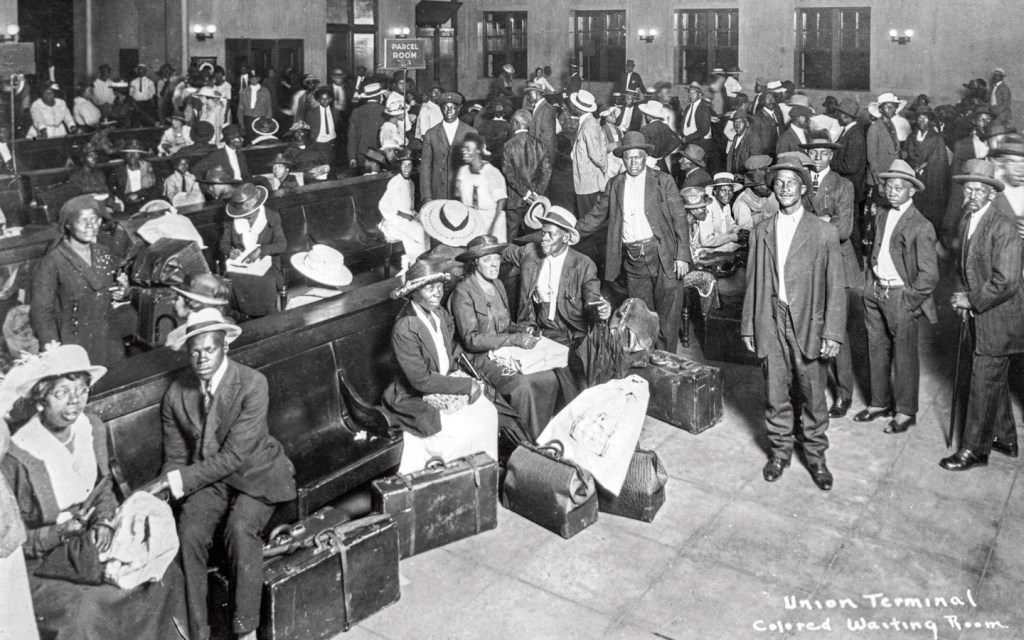
But life isn’t always harmonious. The Great Migration swept families from the South to the North, leaving behind echoes of banjo tunes. Yet, even in bustling cities, the banjo’s spirit lingered. Jazz musicians jammed with banjo players,creating a fusion that defied labels. The banjo became a chameleon—adapting, evolving, surviving.
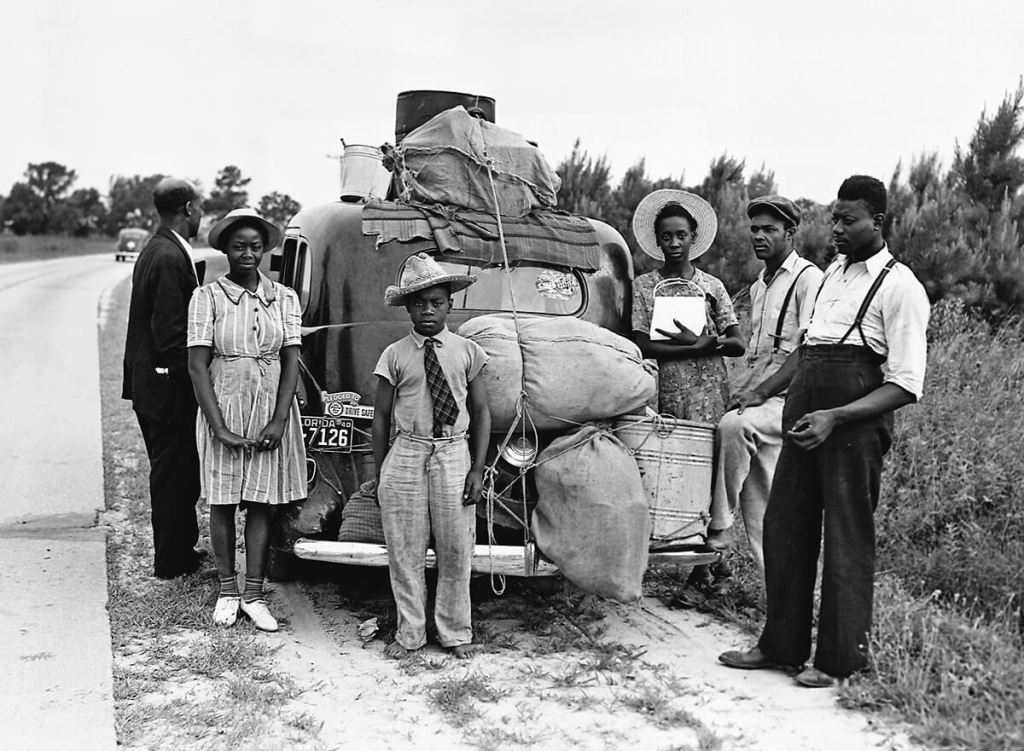
Today, as we stand at the crossroads of tradition and innovation, let us remember the banjo’s legacy. It’s more than an instrument; it’s a vessel of memory. So, whether you’re sipping sweet tea on a porch swing or strumming chords in a Nashville studio, know that the banjo’s song lives on—a testament to the resilience of those who plucked its strings.
And so, dear truth-seeker, listen closely whenever you hear the twang of a banjo.You might catch a whisper from the past—a melody that binds us all, regardless of where we come from.
And that, my friend, is the story of how the banjo wove its way into the fabric of country music, leaving behind footprints in the dust and notes in our hearts.
Oh, I’m not done yet; let’s talk about some negro country artists that are forgotten, apparently.
NEGRO/BLACK COUNTRY ARTISTS
Jimmie Rodgers, who is often called “The Father of Country Music,” did not come up with his own bluesy style. Instead, Rodgers, a white artist from Mississippi, learned how to play the banjo and guitar from Black people who worked on the railroad with him when he was a teenager and had dropped out of high school. His signature yodel, which mixed blues, European yodeling, and a falsetto made famous by African American singers, resulted from this on-the-job training.
After that, Rodgers worked with Louis Armstrong on “Blue Yodel Number 9 and with blues guitarist Clifford Gibson and the Louisville Jug Band on sessions that were never played. Undoubtedly, the most famous person in country music got his education from black “grandfathers.”
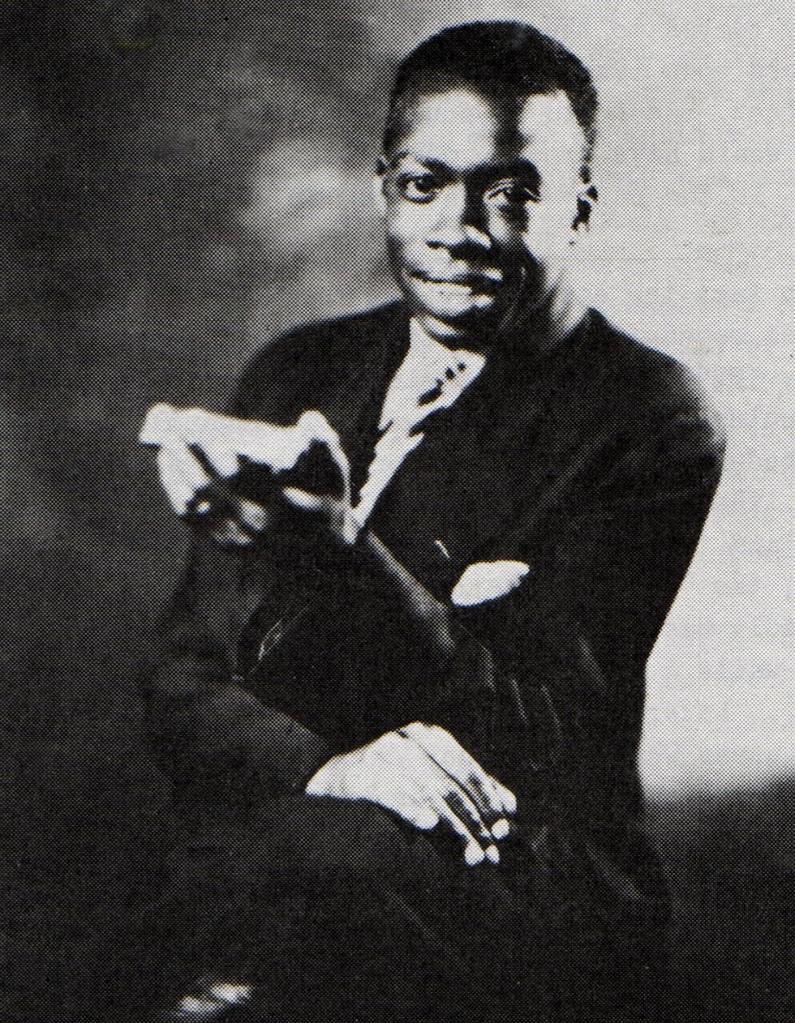
At the same time that Rodgers was singing blues-based country music all along the Mississippi River, DeFord Bailey’s harmonica playing spread the style from East Tennessee to the wide, middle-American shoulders of Chicago. Bailey was born in 1899 in Smith Country, Tennessee. He lived through polio and was the first act to be introduced on the Grand Ole Opry radio show, which had just changed its name that year.
Bailey had a big hit with “Pan American Blues.” His harmonica playing on the track sounds like the Louisville & Nashville (L&N) Railroad’s Pan-American passenger train, which ran between Cincinnati, Ohio, and New Orleans, Louisiana. This is an example of how country artists often have strong ties to the community.
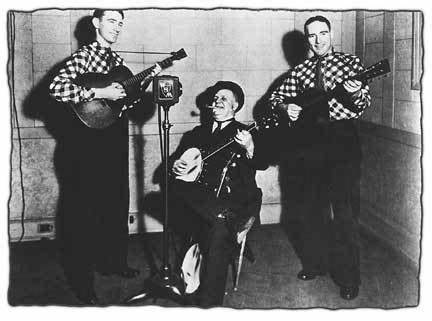
In the 1930s, the famous harp player played on the Opry regularly. In the 1930s and 1940s, he often went on tour with big country stars like Uncle Dave Macon, Bill Monroe, and Roy Acuff. In 1982, Minnie Pearl told the New York Times about Bailey, saying that he “came in here, played for nothing but the fun of it, and kept up a feeling.” He made country music become very popular.
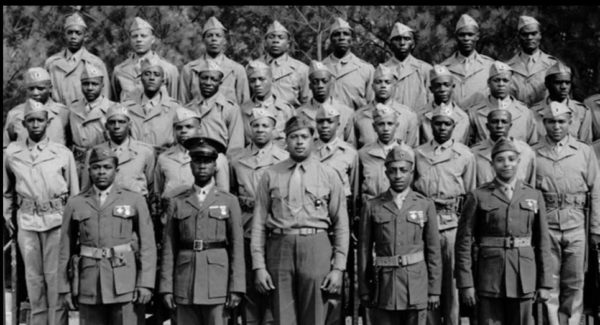
Black artists’ impact on country music in the 1940s and ‘50s must be contextualized against global occurrences: One million Black soldiers were called into duty in World War II. By 1948, President Harry Truman had desegregated the Armed Forces. And during the Korean War, 600,000 Black soldiers fought for America.
The effect of musicians who, instead of playing country, went overseas and honed their craft in directions that spawned other country, jazz and blues-inspired genres is significant; however, Kansas City’s boogie-woogie sound (a rock forefather) and the revival of swinging, New Orleans-inspired Dixieland jazz that incorporates a faster, but still syncopated rhythm are prominent, Black-led country influences from this period.
Key in this era is the work of the Houston-based and throaty, baritone-voiced Clarence “Gatemouth” Brown, whose songs — such as “Okie Dokie Stomp” — blend Louisiana-based zydeco and Cajun music, boogie-woogie jazz and country. A multi-instrumentalist, his work inspired country stars including Hee Haw host Roy Clark and country crossover singer-songwriter Bonnie Raitt.
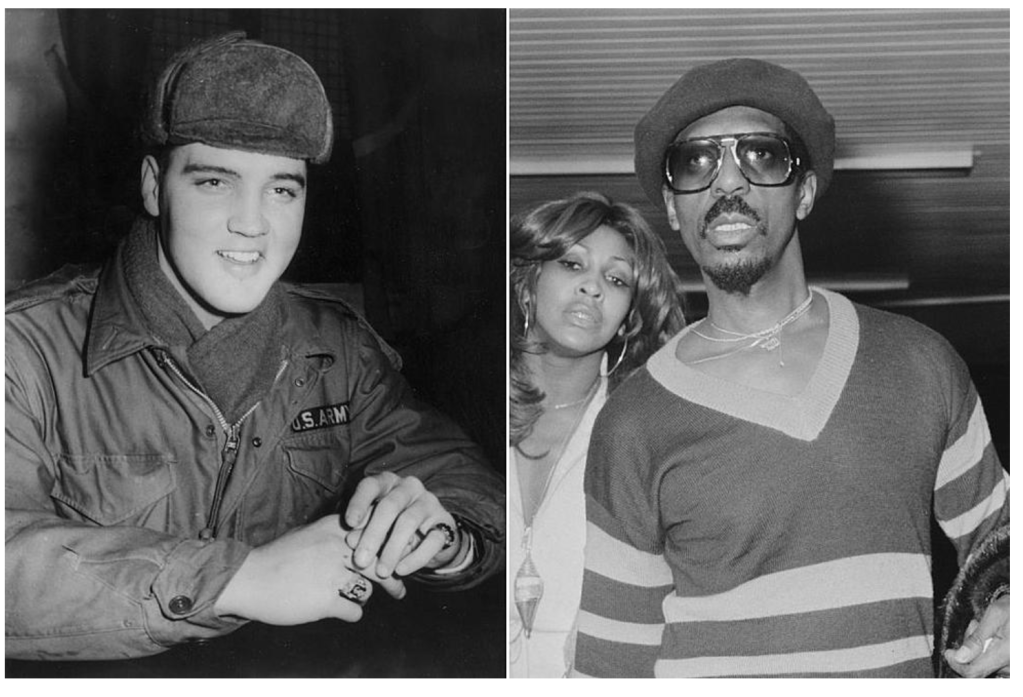
By 1954, Sam Phillips, Sun Records, and white singers like Elvis Presley had “left at the pass,” meaning that their sounds were going straight for the heart of country music. These sounds’ path to the top of the rock ‘n’ roll charts means that some of Black country’s past was lost. The singles “That is All Right” by “Big Boy” Crudup in 1946, “Good Rockin’ Tonight” by Roy Brown in 1947, and “Hound Dog” by “Big Mama” Thornton in 1952 were all big hits in the relationship between Black artists and country music. However, these three songs are better known as three of Elvis Presley’s 12 No. 1 hits in his first six years as a singer.
Presley also took ideas from gospel singer Sister Rosetta Tharpe and R&B star Rufus Thomas. He lived at the same time as B.B. King. The King of Rock and Roll’s impact on Black people in country music is both frustrating and noticeable. This is because his music solidified many Black traditions that later showed up in music styles other than country music, but highly influenced by it.
Ike Turner, who leads the band and is known as the “rock master,” is also important to Sun Records’ success. The Midwest talent scout for Sun was a Mississippian who would soon marry Tina. The best Kansas City-style boogie-woogie artists were actually St. Louis Ike’s Kings of Rhythm band, who cut “Rocket 88 for Chess Records in 1951. Turner thought he wrote 78 hits for Modern Records, which is also based in Memphis and is owned by Lester, Jules, Saul, and Joe Bihari.
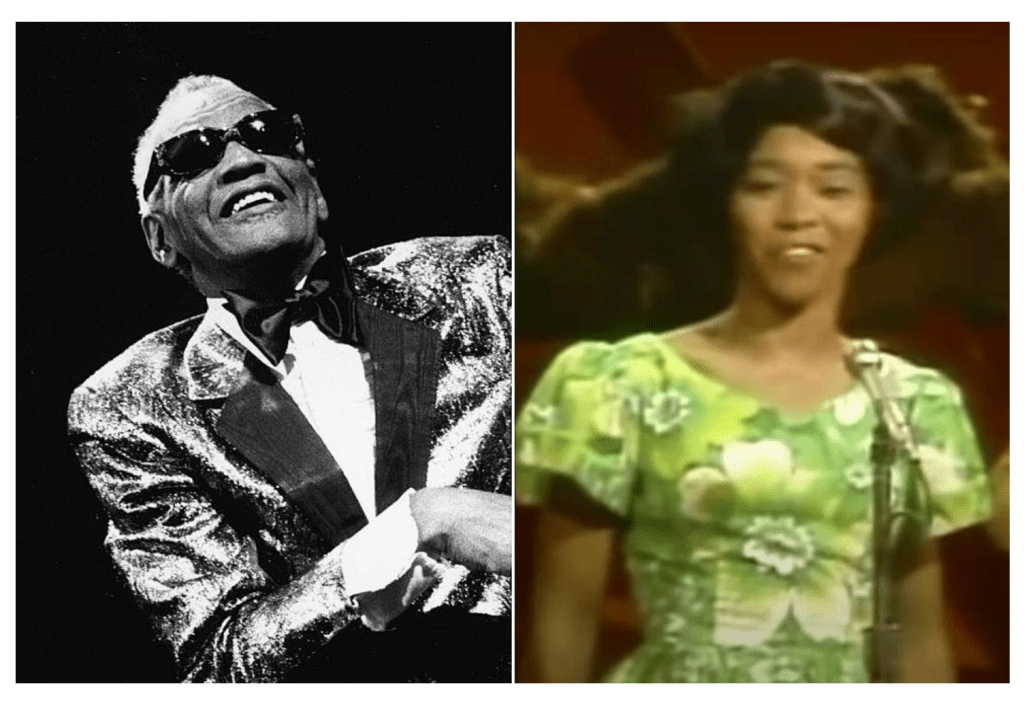
By 1962, Ray Charles, who was born in Alabama, had already spent ten years masterfully combining different jazz styles, R&B, and rock ‘n’ roll into a sound that consistently topped the charts. His seven Top 10 pop albums held 21 Top 10 R&B singles. But after recording for ABC Records for two years, Charles shocked everyone by releasing a double album called Modern Sounds in Country and Western Music.
Charles had been listening to the Grand Ole Opry radio show since he was a child. The blind star asked producer Sid Feller to put together 150 old and new country songs for him to choose from when making this 24-track tribute. Songs like “I Can not Stop Loving You,” a country-to-pop hit by Don Gibson in 1958, “Your Cheatin’ Heart,” “Hey Good Lookin’,” “Bye Bye Love” by the Everly Brothers, and “Careless Love” by the Dixieland Bands were chosen. Charles covered Gibson’s hit song and went on to be a number one hit on the Billboard Hot 100, R&B Singles, and Adult Contemporary charts.
Robert Christgau of The Village Voice said, “Modern Sounds in Country and Western Music changed pop, shaped soul, and defined modern country and western music.” Willie Nelson said the record “did more for country music than any artist has ever done.” Even more, Doug Freeman of the Austin Chronicle said, “Elvis’ mixing of country and R&B could even be seen as the start of rock & roll, though that middle ground has mostly only served to keep soul and country separate.” Modern Sounds in Country and Western Music sets the standard for crossing the line by bringing out the emotional parallels that are often hidden by sound.
During the 1960s, Charles often turned to country music for hits. In 1966, he covered Buck Owens’ “Crying Time” and Don Gibson’s “A Born Loser.” In 1970’s Love Country Style, Charles went all the way back to country, singing Johnny Cash’s “Ring of Fire.”
Charles’s ten-year connection to country music went very well with the best years of Southern soul music in the 1960s and 1970s. In 1969, Linda Martell was a gospel singer who sang R&B. She became interested in singing country after playing hits like “I Can not Stop Loving You” by Ray Charles to a rowdy group of Air Force men who “dared her to play some country music.” After that, she recorded a song in Nashville in which she sang “Color Him Father,” the Winstons’ Top 10 pop/funk hit, in a good, country way. Martell became the first Black woman to perform on the Grand Ole Opry after her song became a Top 25 country hit.
Think about the impact of Hank Williams, who was another early star. The committee that gave Williams the Pulitzer Prize in 2010 said that as a songwriter, he “expressed universal feelings with poignant simplicity and played a pivotal role in transforming country music into a major musical and cultural force in American life.” Rufus “Tee Tot” (short for “teetotaler”) Payne, an Alabama street singer, taught Williams, then 8 years old, how to play a style of blues that blended hillbilly, folk, and other styles of music.
I can go on, but I think you all get the picture. In summary, Negro/Black people created country music and continued to shape its narrative and sound.






Leave a Reply